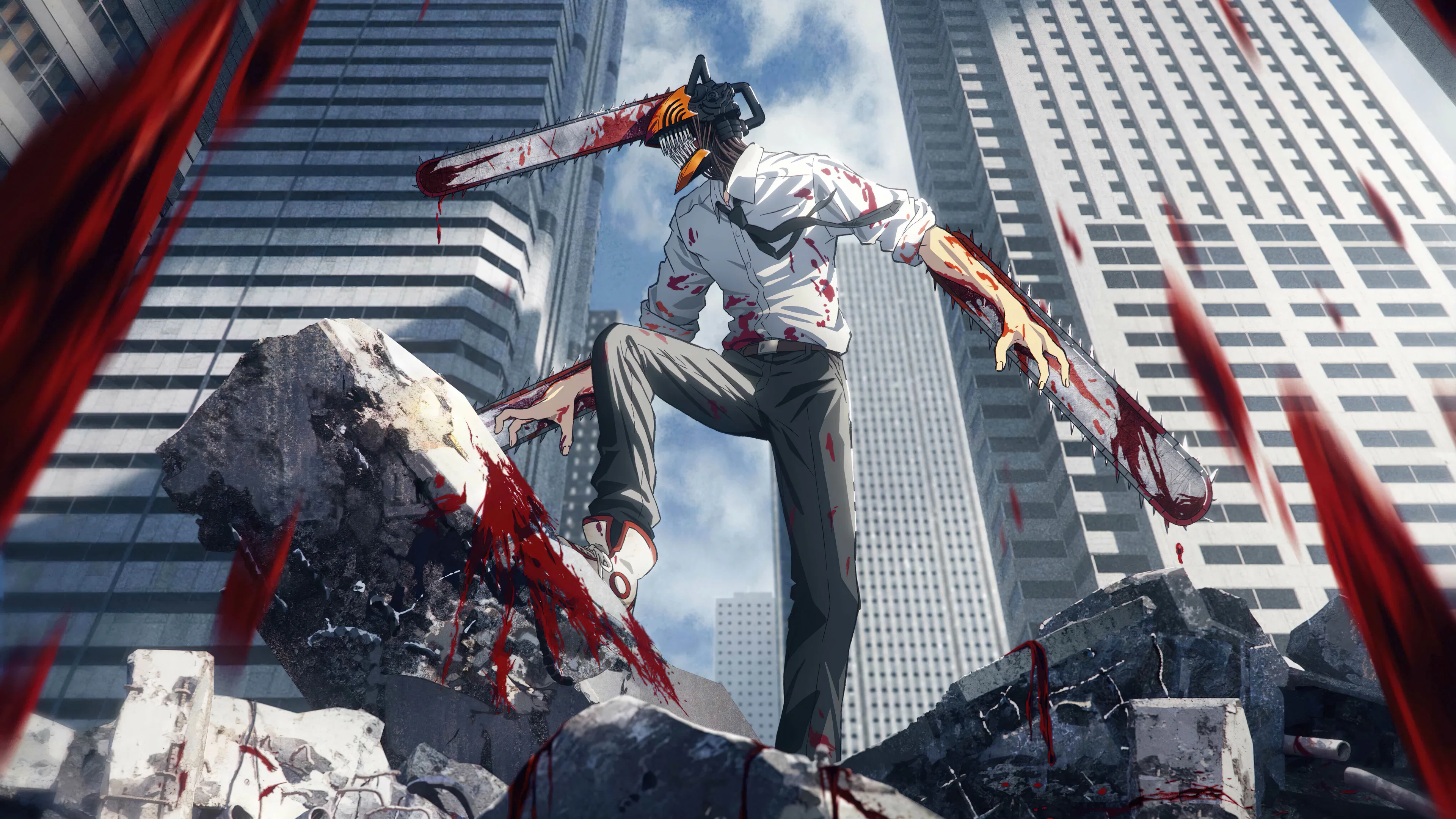
You play a Devil Hunter — or something wearing one — in Tokyo, 1997. The GM narrates the world; you say what your character says and does; the dice settle what's uncertain. This chapter is everything you need at the table.
The roll
Every uncertain action is 2d6 plus one stat. Pick the stat that fits what you're doing:
| Stat | Covers |
|---|
| Combat | Fighting, force, intimidation |
| Survival | Endurance, resisting, toughing it out |
| Subterfuge | Stealth, cunning, covering tracks |
| Analysis | Perception, knowledge, reading a scene |
| Persuasion | Willpower, talking people around |
Read the dice:
| Result | What happens |
|---|
| 10+ | It works cleanly. |
| 7–9 | It works — but the GM names a cost, a complication, or a hard choice. |
| 6– | It fails, and the situation gets worse. |
On a 7–9, don't argue with the cost — the game is the bargain. Take it, pay it, or do something else instead.
Double sixes on an attack are always a telling blow: extra harm, a severed limb, a smashed weapon, an opening torn in the enemy. Your criticals come from the dice; a Devil's come from the fiction — exploiting a weakness, catching you down, or hitting you while you're spent.
A lie rolls the stat its purpose fits: covering up or deflecting suspicion is Subterfuge; fast-talking someone into believing and acting is Persuasion. And a Devil's power uses the stat that fits what it does — a distraction is Subterfuge, a restraint is Combat, a voice imitation is Persuasion.
Violence, sized
Damage is narrated, never diced — the GM tells you what a hit is: the bullet through the shoulder, the fall onto the car hood. What lands is a number from a band: glancing 3–5, solid 8–12, heavy 15–20, devastating 25–40 — and Devils hit by their tier, from minor (5–10) to primal fear (15–30). The full tables, and what puts the numbers back, are in Prices, Wounds, and Your Bars.
One warning the whole game runs on: a fight that ends with nobody's HP moved was run wrong. Fights are meant to leave their mark.
The quiet moves
Not every scene is a fight, and the smart hunter's first plan usually isn't.
Moving unseen — sneaking past guards, tailing a target, laying an ambush — is Subterfuge. On a 10+ you're simply not noticed (or your ambush opens the fight with a free first strike). On a 7–9 you get past, but something almost gave you away — a sound, a shadow, a witness — and it can matter later. On a 6– you're seen, and the situation worsens. Remember that Devils track fear, scent, and heartbeat as readily as sight: hidden from the eyes is not hidden from the fear.
Reading for ambush — when the ground ahead invites one — is Analysis: claw-marks too high on the walls, birds gone quiet, blood still wet. A good read spoils a hidden attacker's free first strike and buys you the stance.
Working a scene — a kill site, a trail, a file that doesn't add up — is Analysis too. The roll finds threads, not answers: a clue, its meaning, maybe a shortcut. What you do with it is yours.
Skill as edge — with a stat of 2 or higher, the world opens doors for that skill without a roll: the tell before the lie finishes, the route past the guard, the safe path through cruel terrain. It opens doors; it never closes them — the same attempt stays available through the roll, with its usual prices.
What everything costs
Every power in this world is borrowed and priced. If you're playing a human contractor, a Fiend, or a Hybrid, your sheet's bars — Stamina, Blood, Strain, Control, Contract Debt — are the meters on the loan, and Prices, Wounds, and Your Bars is the price list. When a bar warns you it's low, the fiction is already leaning that way: lean with it, or spend something to hold the line.
That's the game inside the game. Everything powerful here is borrowed from something — and the table is where you find out what it charges.