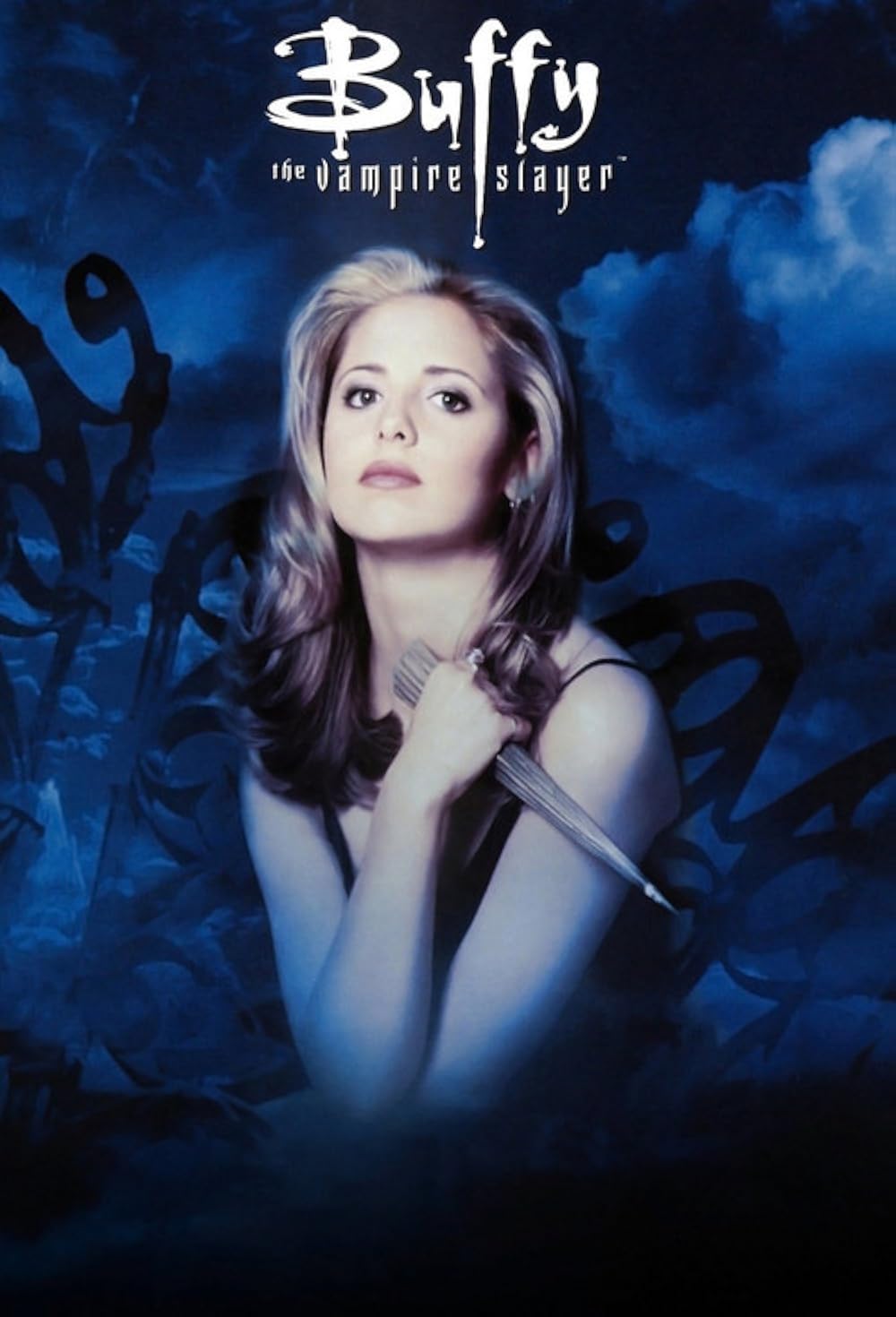
This is New Orleans. The apocalypse has already happened somewhere else. You still have work tomorrow.
You play the people who notice what slips through the cracks: the missing neighbor, the voice coming from a locked room, the thing waiting beyond the last streetlight. Your friends are the ones who answer when you call. Together, you investigate, argue, improvise and try to keep another night from becoming the end of the world.
Where you are in the story
This campaign begins a few months after Buffy Season 12: The Reckoning, in the original television-and-comics continuity. The television series and Dark Horse continuation are history, not adventures you must replay. The BOOM! reboot is a separate continuity and is not added automatically. We use this relative date rather than inventing an exact calendar year.
Sunnydale is gone. The activation of the Potential Slayers has already changed the world; there is no default rule that your Slayer must be the only one. Buffy and her friends have survived their own stories and remain part of the world. They are supporting characters, not the player party and not a guarantee that someone famous will fix your problem.
New Orleans is the center of this campaign. Its Hellmouth and our local supernatural plots are campaign inventions, not claims about the comics or the real city. New missions, visits and relationships created during play become your group's story.
The old rules, the changed world
Long before humanity, powerful demons inhabited this reality. Their traces still trouble it. Vampires are among the most familiar dangers: the dead driven by a demon, feeding on the living. A soul can complicate that picture; it does not remove every danger or weakness.
Traditionally a Slayer fought those dangers with a Watcher's guidance. Now many Slayers can be active, while ordinary people still matter. Research, trust, nerve and knowing which door to knock on can save a night that strength alone cannot. Choose a character who needs the other players, not someone who makes them spectators.
How we talk about play
- An Episode is one story, played across one or more sessions.
- Linked Episodes form a Season.
- Multiple Seasons form your Series.
- The Cast means your player characters. Familiar heroes appear as Guest Stars.
A session usually moves between ordinary pressures, an unsettling discovery, investigation and a difficult choice. A fight is one way a scene can turn; talking, helping someone or uncovering the right fact can matter just as much.
What it feels like
Horror, friendship and badly timed jokes share the same scene. Let fear have weight and humor come from the people facing it. Your character can be funny without making another person's suffering the punchline.
The city is a home, not merely a spooky backdrop. Families, neighborhoods, work, music and community continue beyond the supernatural plot. Louisiana Voodoo, Haitian Vodou and other living religions are not shorthand for evil. A villain's fabricated rite or misuse of a symbol does not make a community monstrous.
Give your character a reason to care about New Orleans, someone to protect and one responsibility that hunting monsters makes harder. You do not need to have read every comic. Ask what your character would know; uncertainty can be part of the discovery.
Your sheet and your first scene
The system uses a d10. The following chapters explain what you add to it, how damage works and what Drama Points can do.
Read your attributes and skills as capabilities, not a script. Current Life Points track injury separately from the calculated maximum. Keep possessions, conditions and the consequences of your choices up to date.
The historical @Missing file is a sheet-building example only. Its Sunnydale school life is not the current campaign's starting situation. Build your own character with the Director; do not treat that sample as an automatically assigned player character.