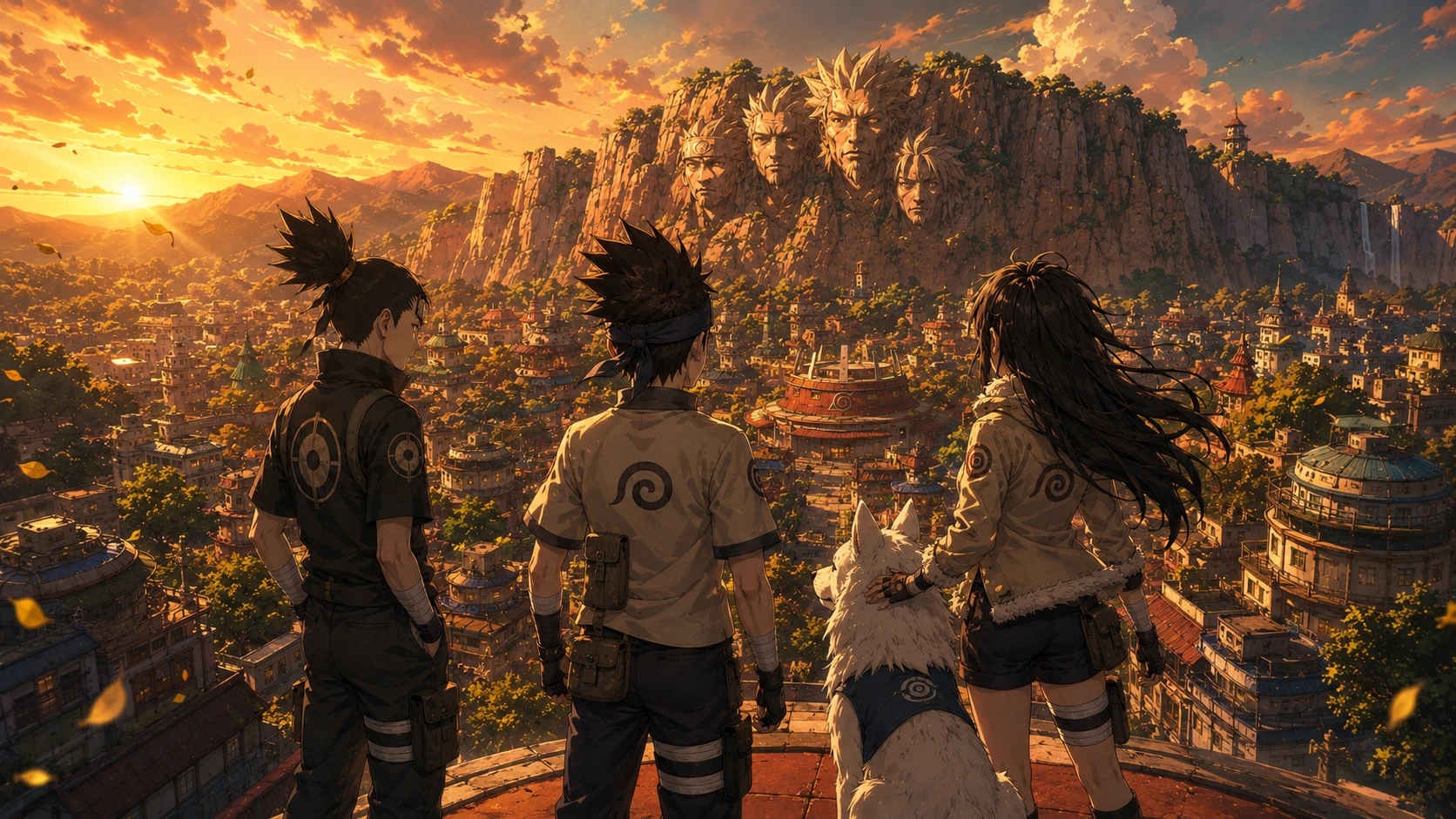
Shinobi Paths
Naruto: Shinobi Paths
A shinobi RPG set in the Naruto world, focused on missions, tactical discovery, bonds, training, and developing a personal fighting style.
Versionv11
CreatedAug 21, 2026
UpdatedAug 23, 2026
ENTER THE SHINOBI WORLD
Master techniques. Read your enemies. Become your own kind of shinobi.
Create your own Konoha genin, or take over a Part I canon shinobi at the Chunin Exams. Missions change when briefings are incomplete, and stronger opponents need openings rather than bigger modifiers. Train techniques, build bonds, and let the timeline diverge once you act.
Glimpses
Inside the World
139 entries · 17 types
Campaign Ledgers
1 total
Characters
26 total
Encounters
6 total
Equipment
7 total
Factions
9 total
Game Starts
3 total
GM Instructions
14 total
Locations
7 total
Missions
2 total
Pressures
1 total
Runtime States
1 total
Techniques
44 total
Traits
17 total
World Clocks
1 total
Character Memories
0 total
Chronicles
0 total
Memory Segments
0 total