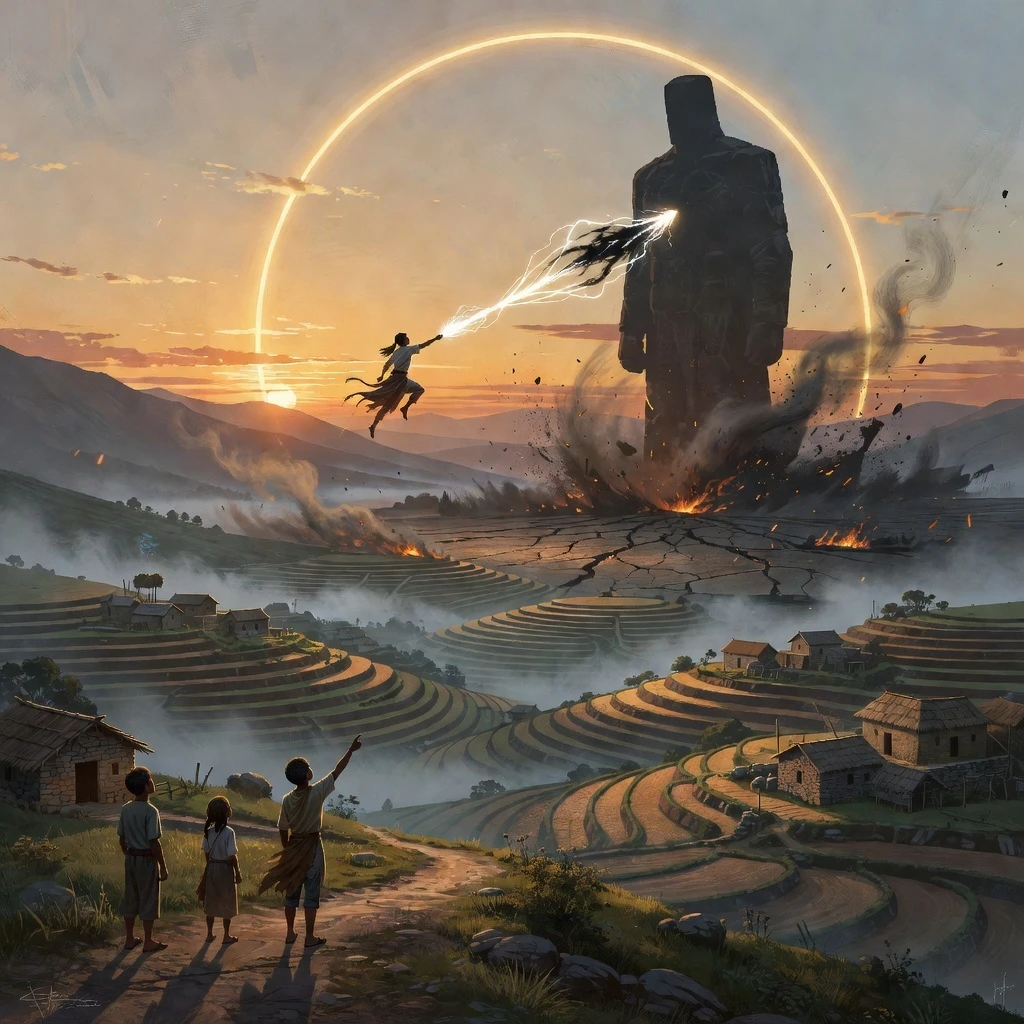
You are a sacred artist in Cradle, a world where the mountains hold old secrets, sacred beasts carry treasures in their blood, and power belongs to whoever can refine it without breaking. This is a fan campaign set in Will Wight's Cradle series. You begin with a body, a core, and more ambition than sense. From there, you climb.
The promise of the game is simple: start small, learn your Path, and advance from Copper toward Monarch. Every stage opens doors that were previously walls. Every door also has something larger waiting on the other side.
How a session feels
The GM describes the world and the pressure it places on you. You say what your sacred artist does. When the result is uncertain, roll a d20 test, add the relevant attribute modifier and proficiency bonus if you are trained, and compare the result to the GM's difficulty. A natural 20 succeeds; a natural 1 fails. The usual difficulties are clear enough to remember:
| Challenge | DC |
|---|
| Easy | 10 |
| Moderate | 12 |
| Hard | 15 |
| Extreme | 18 |
| Near-impossible | 20+ |
A session might be quiet. You may spend an afternoon cycling beside a stream, studying a remnant, or haggling for an elixir while pretending not to notice the merchant's knife. It might turn sharp without warning. You could duel a rival in a clan courtyard, hunt a sacred beast through hostile ground, or run while a Dreadgod wakes somewhere beyond the horizon. All of these belong at the same table. The question is never whether something is dramatic. The question is whether you are ready for what your actions attract.
Cycling is not scenery between adventures. It is how you draw madra through your body, refine your core, and prepare to use your techniques. A good session gives you reasons to cycle, risks worth taking, and choices about what kind of artist you are becoming. You may spend resources on pills, elixirs, treasures, or training. You may fight for a binding, a remnant, or the right to survive until morning. Advancement is earned through pressure, discipline, and opportunity — not handed over because the story has reached a convenient page.
The ladder above you
Your stage measures more than the size of your madra pool. It is a qualitative difference in what your body, spirit, and techniques can accomplish. The ladder runs:
Foundation → Copper → Iron → Jade → Lowgold → Highgold → Truegold → Underlord → Overlord → Archlord → Sage → Herald → Monarch
Foundation artists are learning to survive their own potential. At Copper, you open your core and feel madra clearly. At Iron, you forge an iron body: a permanent transformation with benefits and drawbacks. At Jade, your spirit senses awaken, letting you judge madra and recognize the strength of others. Lowgold, Highgold, and Truegold mark increasing density and refinement. The Lord stages turn pressure into a force of nature. A Sage touches an icon. A Herald merges body and remnant. A Monarch stands as both Sage and Herald, powerful enough to reshape the land by existing in it.
The ladder is the campaign's horizon. A Copper is a match for many Foundation artists. A Jade may make that same Copper reconsider every life choice that led to the encounter. A Monarch can erase a Copper without noticing the effort. The climb is exciting because it changes what you can do; it is dangerous because the world does not politely wait for you to catch up.
Dreadgods are not a stage waiting at the top. They are catastrophes — ancient beings beyond Monarchs, with the courtesy of storms and the mercy of earthquakes. Surviving one is an achievement. Drawing its attention is usually a mistake.
The GM and the world's pressure
The GM holds the world's pressure, not your decisions. The GM presents rivals, clans, sacred beasts, treasures, deadlines, and consequences. The world keeps moving when you refuse a fight. A stronger artist may arrive. A faction may close its gates. A Dreadgod may continue waking.
The GM also makes the ladder matter. Threats are measured by stage, and a party of Coppers should usually flee a Jade rather than prove a philosophical point about courage. Retreat, deception, negotiation, and clever use of terrain are sacred arts too. If you walk into danger, expect the danger to be real. If you prepare well, expect preparation to matter.
There is one rule that matters above all others: no matter how strong anyone is, someone higher is watching. Your victory over a rival does not make you safe. Your new technique does not make you untouchable. Somewhere, an artist has a deeper core, a sharper binding, a stronger will, or simply more experience. Power earns you a larger view of the world — and a clearer view of what can kill you.
Before the first scene
You need only three things to begin:
- A Path. Choose the cycling method and techniques that shape your madra. Path of the White Fox, for example, braids light and shadow into misdirection, false openings, and sudden strikes. Your Path gives your choices a direction, not a cage.
- A name. Decide what people call you, and what you answer to when they do. A name can be a family promise, a clan burden, or something you chose after leaving both behind.
- A core. Your core is the well of madra inside you. Decide what aspect or aspects it carries and what stage you occupy at the opening of play. Most beginnings are Foundation or Copper; either way, your core is where every technique starts.
Bring those three to the first scene — the character wizard forges the rest (your origin, your people, your traits, your techniques), and the chapters ahead explain each one. The valley, road, school, clan, or wilderness supplies the rest. Then breathe, begin cycling, and listen carefully. Someone higher is already watching.