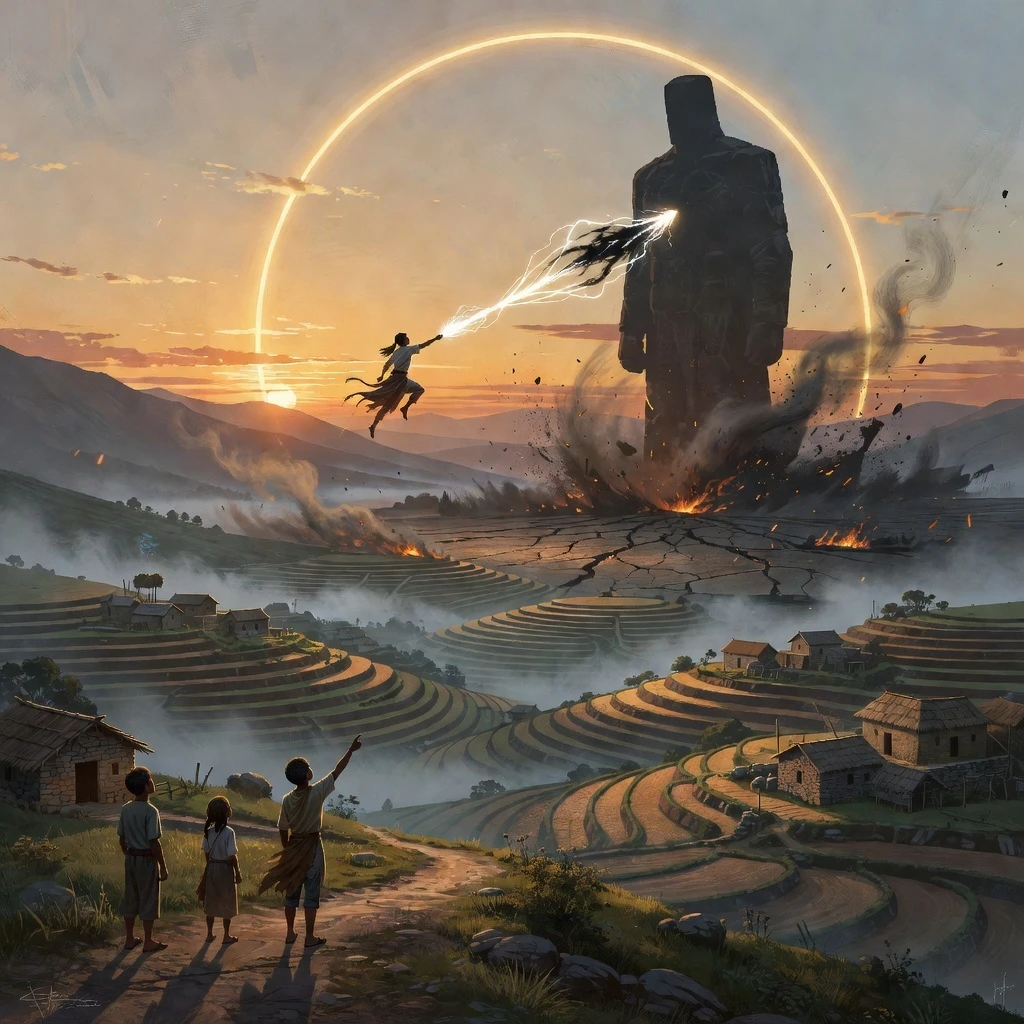
Welcome to the Cradle campaign — a fan-built world set in Will Wight's Cradle series, running on a native Cradle rules engine. There is no D&D material here: no classes, no levels, no spells, no ability scores. What this project holds instead is a thin, sturdy rules core and a compendium that hangs off it.
The engine
The whole system fits in one place: /Rules/Cradle Native Rules Primer.rule.md. Six attributes (Body, Speed, Perception, Willpower, Spirit, Mind), d20 tests vs DCs, vitality and four defenses (Evasion, Fortitude, Willpower Defense, Spirit Defense), an action pool with reactions instead of a single action, madra pools and technique costs, and a stage ladder from Foundation to Monarch. Thirty-one rule files cover the rest: advancement, techniques, combat, sacred beasts, iron bodies, origins, fighting styles, encounters, presences, Dreadgods & Monarchs, the Lord revelations, Sages and the Way, Heralds and remnant binding, Monarchs and the world's burden, the scale economy, advancement costs, soul spaces, soulfire, soulsmithing & bindings, refining, scripting & formations, pocket worlds, bonds, soul oaths & sworn promises, traits, everyday life & mundane hazards, vehicles & cloud constructs, and the Way/Ascension/Abidan. If you change the engine, change the primer first — every other file is written against it.
The compendium
Content lives in thirty folders, each with its own file type:
| Type | Count | Role |
|---|
| Path | 40 | A cycling method and technique set — the Cradle "class", from the Path of the White Fox to the newly sworn Path of the Dawn Oath. |
| People | 12 | The ethnic and national identities of Cradle — the Wei, Kazan, and Li clans of the Sacred Valley, Blackflame citizens, Seishen, Ninecloud courtiers, Akura, Arelius scions, wastelanders, highlanders, beast-tamer nomads, and the iteration-born — each with two lore-derived passives, a culture, and a reputation, picked alongside an origin. |
| Technique | 125 | The moves: forger, striker, enforcer, ruler, utility. |
| Madra | 31 | The aspects power runs on (fire, sword, dream, pure, light, velocity…). |
| Iron Body | 25 | The permanent transformation forged at Iron — one for every family of madra and Path. |
| Fighting Style | 45 | Schools of body and breath — how techniques come out, ranked from foundation to saint, each with its named teaching houses. |
| Trait | 30 | Selectable gifts of body and spirit — feats of the sacred arts, mostly passive, some active, capped by advancement. |
| Origin | 30 | Where you are from — homelands and upbringings from the gutters to the silver cradle, each with two passives that never take a trait slot. |
| Oath | 7 | Soul-bound promises — the Word through the Cosmic Pact, sworn on souls and witnessed: the Eledari Pact, the Dawn Oath, the Skysworn's oath, Akura loyalty oaths, Dreadgod blood oaths, merchant's words, and geases — each with terms, witness, consequence, and release, run by the Soul Oaths & Sworn Promises rule. |
| Presence | 12 | The spirit companion in your mind — dream-made allies in the mold of Dross, earned from Iron and grown with you. |
| Sacred Beast | 47 | Beasts, remnants, spirits, and the four Dreadgods. |
| Script | 36 | The writing system of the sacred arts — six tiers × six example scripts each: Ember Scripts and Light-Signs on every hearth, Ward-Signs and Sealing Lines on every threshold, Adept formations, Master arrays, Grandmaster veils and gates, and the Labyrinth Line — run by the Scripting & Formations rule. |
| Faction | 30 | Clans, sects, empires, cults, and the cosmic powers — each now carrying a relations map (how it views other factions, −100 to +100) that powers the reputation cascade. |
| Location | 293 | The world itself: regions, cities, districts, dungeons, ruins, and points of interest from the Sacred Valley to the space between worlds — including many of the schools that teach the fighting styles. |
| Lore | 33 | The world's history and rules of reality. |
| Item | 206 | Weapons, armor, elixirs, pills, materials, treasures, and the scale economy — the common gear baseline (every plain weapon and armor a shop carries), the faction and resource gear (Akura moon-blades, Redmoon blood-scythes, Ninecloud court silks, Labyrinth key-blades, Sand Viper venom vials — uncommon through legendary), and the named enchanted pieces above them all. |
| Weapon Property | 18 | The weapon masterlist — tags like Reach, Two-Handed, Finesse, Brutal, Warding — each with a rarity, a rule, and assigned to the weapons that carry them. |
| Armor Property | 13 | The armor masterlist — Reinforced, Flexible, Silent, Warded, Fireproof, Regal and the rest — assigned to the armor that carries them. |
| Vehicle Property | 13 | The vehicle masterlist — Armored, Swift, Freight, Siege-Ram, Warded, Gilded and the rest — each with a rarity, a rule, and assigned to the vehicles that carry them. |
| Loot Table | 15 | The GM's reward dice — d20 and d100 tables for every non-predetermined reward: encounter loot by tier (Foundation–Copper through Lord), elixirs & pills, soulsmith materials, bindings from remnants, treasure hoards, ruin finds, plus quick tables for event rewards, faction patronage, gambling, odd finds, and beast salvage — every row rarity- and power-banded to the tier it serves. |
| Binding | 69 | The cores of the soulsmith's art — one for every sacred beast and parasite in the compendium, the trade bindings, and the ship-grade cores (Cloud-Spirit, War-Ship, Court Barge) that power vehicles — each with a madra, a stage, the techniques it preserves, the properties it imparts when forged, its source beast, and — for the great beasts and companions — a progression of abilities the bearer unlocks as they advance. |
| Encounter | 128 | Ready scenes — ambushes, duels, dungeon guardians, and set-pieces wired to the locations. |
| Bond | 61 | The supernatural bonds characters carry — one for every sacred beast and parasite: pacts, curses, collars, blood shadows. |
| Creature | 42 | Simple stat blocks — beasts of burden, prey, things that bite, and the mundane folk (commoners, guards, merchants, healers — kind "folk") who staff the world. |
| Parasite | 14 | The parasites that crawl, burrow, and consume. |
| Character | 121 | The player-facing sheet type — stored choices, computed numbers. |
| Game Start | 13 | The lobby's starting scenarios — prebuilt parties, openings, and playable casts. |
| Vehicle | 13 | Constructs of the sky, road, and river — cloud skiffs, courier clouds, Akura war cloudships, court barges, spirit carriages, wagons, barges, and ferries — each with speed, capacity, crew, defense, vitality, madra cost, properties from the Vehicle Property masterlist, and a binding core that powers the cloud craft, run by the Vehicles & Cloud Constructs rule. |
| Rule | 31 | The rules engine: the primer plus its expansion chapters — including Scripting & Formations (the six-tier ladder of the written arts), Soul Oaths & Sworn Promises (the degrees of a soul-bound word), Everyday Life, Hazards & the Mundane World and Vehicles & Cloud Constructs. |
| Game Master Instructions | 12 | GM-facing guidance files, loaded by the GM agent during live play — including Running Loot & Rewards, the key to the loot tables. |
How it interlocks
Paths reference their madra aspects, a paired iron body, and their signature techniques — the Path of the Dawn Oath channels light, forges the Daybreak Body, and swears by Dawn Blade, Dawn's Lance, Oathground, and Dawn Witness. Techniques belong to a path and channel one madra type. Iron bodies list associated paths. Presences channel madra aspects and grant abilities gated by the character's stage. Characters reference a path, an iron body, madra aspects, techniques, a fighting style with its rank, an origin whose passives shape their upbringing, a people whose lore-shaped passives mark their bloodline and nation, the traits they have selected, a Presence if they have earned one, and the oaths their soul is bound by. Each character also carries a full reputation — Fame, aliases, deeds, and per-faction standings scored 1–100, with an effective standing computed from the faction web — and relationships with other characters, scored 1–100, built and changed in play. The sheet computes their four defenses, action pool, effective faction standings, and relationship rows from those stored choices. Fighting styles channel madra aspects and teach techniques from the compendium, and their named schools live in the locations (the Mirror Hall of the Ninecloud Court, Longhook's Ambush Camps, the Arelius Scriptorium). Bonds bind a character to a sacred beast or parasite (the Ember Wolf Pact, the Golden Thread Bond, the Dreadgod leashes). Oaths bind a soul to its word — the Word through the Cosmic Pact, sworn on the soul, witnessed, and broken at a price; the Dawn Oath path's artists swear the Dawn Oath at every sunrise, its Oathground makes battlefields keep their word, its Dawn Witness reads broken promises as cold shadows, and the sage script Oath-Carving writes an oath's exact terms into the world; completing an oath forges soulfire and a broken one stains the soul (see Soul Oaths & Sworn Promises). Items reference madra; weapons and armor carry properties — tags drawn from the Weapon Property and Armor Property masterlists, each with a rule that applies as written (Reach on a spear means it strikes ten feet; Reinforced on plate means +1 Fortitude). The common gear baseline means every shop has a stat block: a plain Longsword is versatile, a Pike is two-handed/reach/heavy, Plate is reinforced/grounded/padded — and above it sits the faction gear, tagged and madra-channeling (the Akura Moon-Blade is finesse/quick shadow-steel; the Ninecloud Mirror-Sword is warding court steel; the Redmoon Blood-Scythe is serrated and hooked). Bindings carry madra, a stage, the techniques they preserve, the properties they impart, and a source link to the beast or parasite they were harvested from — the Orthos Binding is sacred-beast/orthos, the Silent King Binding is sacred-beast/silent-king, and the great ones carry progression (abilities the bearer unlocks at higher stages). Forge one into a weapon (see the Soulsmithing & Bindings rule) and the weapon's binding reference links straight to its core, the way The Ancestor's Spear links to the Ancestor's Binding. Vehicles carry properties too — the same masterlist pattern, tags like Armored, Swift, Freight, and Siege-Ram — and the cloud craft run on binding cores: forge the Cloud-Spirit Core into a skiff and it gains Gust and Mist Halo; set the War-Ship Core into a cloudship and Ward-Shell protects the deck. Scripts are the writing system of the arts — six tiers from chalk lines to the Way itself, filed in /Scripts/ and run by the Scripting & Formations rule; a script-master's reach follows the stage ladder (Copper apprentices, Jade journeys, Gold forms, Truegold–Underlord masters, Overlord–Archlord grand-forms, Sages script the Way), and the Labyrinth's own lines sit at the top. The everyday rules put the world between fights on paper — falling, drowning, hunger, sleep, disease, travel paces, the price of a room versus a house, haggling, and how your stage and reputation move every price — and the mundane folk (Commoner, Town Guard, Merchant, Healer, Bandit, and more, kind "folk") are creature files any encounter can drop in. Loot tables turn every corpse, cache, patron, and gamble into a real reward: the GM's Running Loot & Rewards file names a table for each situation, each d20/d100 table names real items, bindings, materials, and scale amounts banded to the party's stage, so a Copper bandit camp pays like a Copper bandit camp and a dead Underlord pays like one. Encounters reference characters and sacred beasts; locations reference factions. Everything is wired with reference fields, so the sheets and cards link together by slug — change a technique's name and every Path that lists it follows.
What you can do with it
Run it in the Sacred Valley as written, extend it with your own Paths, techniques, traits, origins, peoples, iron bodies, presences, oaths, relationships, factions, faction relations, property tags, bindings, faction gear, everyday rules, vehicles, loot tables, and scripts (see Adding Paths, Techniques & the Rest), or transplant the engine to another corner of Cradle — the Akura territories, the Ninecloud Court — by replacing locations, factions, and lore while keeping the rules. The engine is deliberately thin. The compendium is the lever.